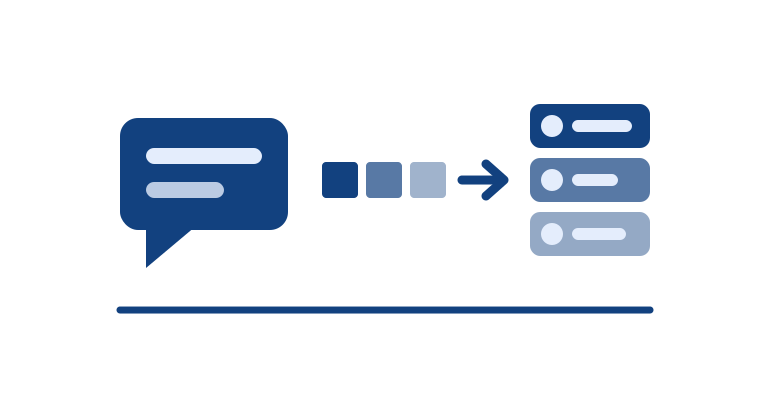
A lot of selling now happens in the comments. Someone writes “price?” under a post, someone else asks in a DM whether it ships to their city, and whoever answers first usually gets the sale. Most teams answer by hand, a few hours late, and lose track of who asked what.
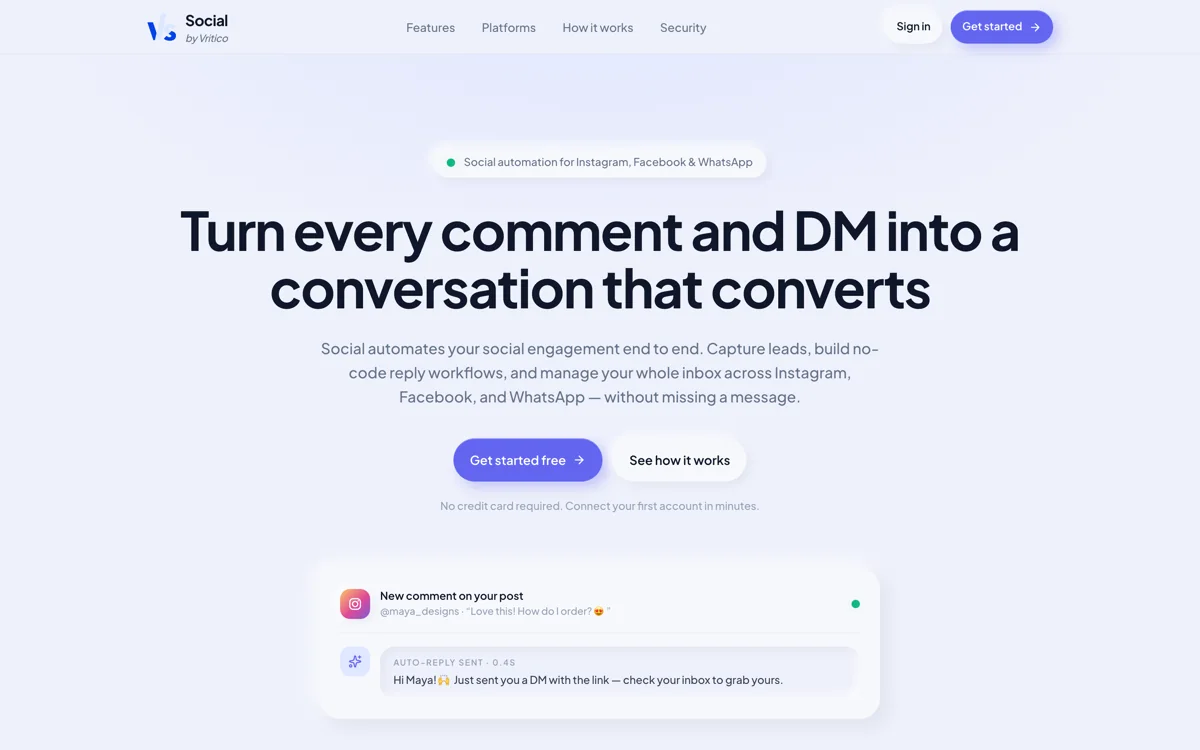
Social is built for that gap. It watches the comments and DMs on your Instagram and Facebook accounts, replies on rules you set, and keeps everyone who reached out in one list you can work through. This post walks through what it does and the parts I built behind it.
What I built
- A verified Meta app, with Facebook Login so people can connect their own accounts.
- Instagram and Facebook integration: comments, messages and publishing.
- Comment and post automations that reply without anyone at a keyboard.
- Scheduling and bulk posting, run through RabbitMQ.
- Lead management for everyone who comments or messages.
- User tracking and retention metrics, so we know who actually sticks.
Getting Meta to say yes
None of the rest works until Meta trusts the app. Reading and replying to comments on someone else’s business account takes permissions that Meta only grants after business verification and app review. You explain why you need each permission, show it working in a screen recording, and wait.
I learned to treat that review as part of the product, not paperwork at the end. Every permission you ask for needs a feature a reviewer can watch working, so the review is a good test of whether you’re asking for more access than you use.
Facebook Login is the front door. A user signs in with Facebook, picks the Pages they manage, and the Instagram business accounts linked to those Pages come along with them. From that point the app can act for that business, and only for the accounts the user chose.
Automations: the reply that lands in seconds
The core feature is simple to say: when someone comments on a post, reply. A user sets a rule on a post, usually a keyword like “price” or “link”, and Social answers when a matching comment comes in. It can reply in public, send the person a private message, or both.
The private message is the part that converts. A public reply tells everyone else the brand is awake; the DM moves the conversation somewhere a sale can actually happen. Meta limits how and when you can message someone who commented, so the automation has to stay inside those rules rather than spray messages at anyone who said hello.
Scheduling and bulk posting on RabbitMQ
Publishing to Instagram and Facebook is slow and can fail, and the platforms limit how much you can post. That is the wrong shape of work to do inside a web request, and very wrong when someone uploads a week of posts in one go.
So posts don’t publish when you click. They become messages on a RabbitMQ queue, and workers pick them up and publish them when they’re due. The person scheduling gets an instant answer, the publishing happens in the background at a pace the platforms accept, and one slow or failed post doesn’t hold up the rest of the batch. Bulk posting falls out of the same design: a bulk upload is just many messages instead of one.
Leads: nobody falls through
Every person who comments or sends a DM becomes a lead, with where they came from and the conversation so far. That turns a busy comment section into a list a team can work through, instead of a notification feed they scroll past.
This is the part that makes Social a sales tool rather than a reply bot. The automation starts the conversation; the lead list makes sure someone finishes it.
Tracking whether anyone stays
An automation tool can look busy and still be failing. Lots of sign-ups, very few businesses that connect an account, set up a rule, and are still around weeks later. So I built user tracking and retention metrics in from the start, and they answer three questions:
- Did they connect an account? If Facebook Login is where people drop, the problem is trust or setup, not features.
- Did they turn on an automation? That is the moment Social starts doing work for them.
- Are they still here? Retention is the honest number. Everything else is curiosity.
Those three steps tell you where to spend the next week, which is the only reason to measure anything.
What I’d tell the next person building this
- Start the Meta review early. It sets your launch date more than your code does.
- Queue anything that talks to a platform. If it’s slow, rate-limited or can fail, it doesn’t belong in a request.
- Make the lead the product. Replies are a feature. Not losing the person who replied back is the business.
You can see Social at social.vritico.com. If you’re building something in the same space, I’m happy to compare notes.